

Osteoarthritis and Joint Health: A Comprehensive Guide
Understanding Osteoarthritis
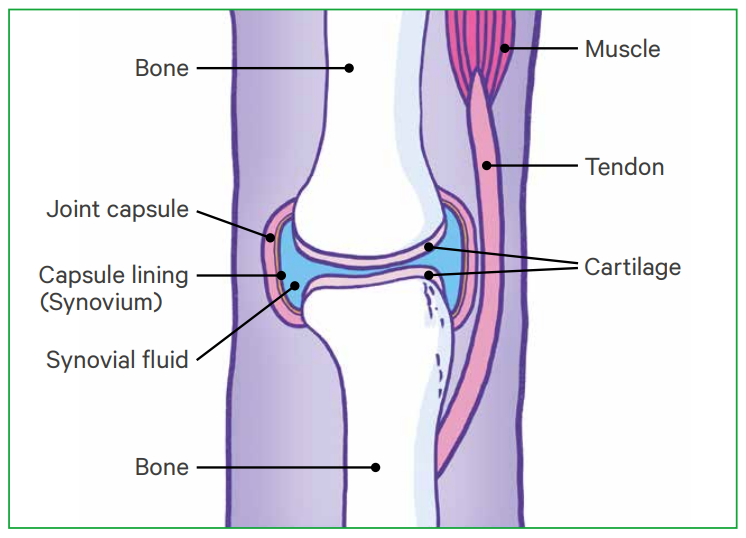
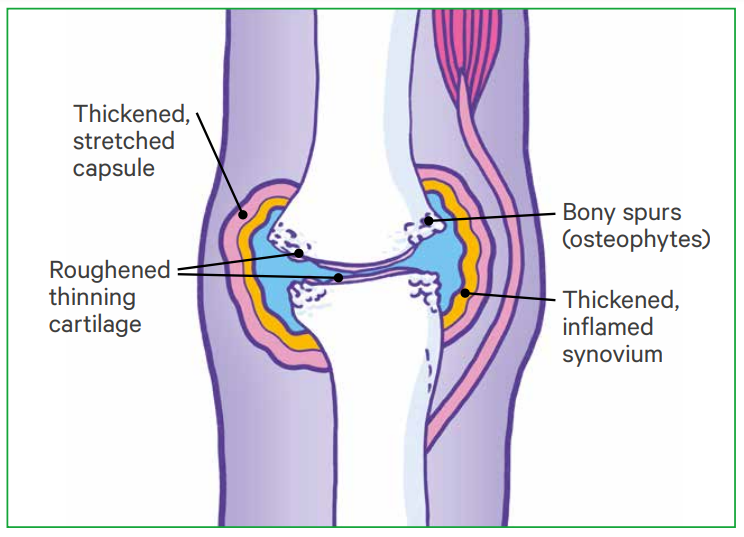
Osteoarthritis (OA) is the most common form of arthritis, affecting millions worldwide. It is a degenerative joint disease characterised by the gradual breakdown of cartilage, leading to pain, stiffness, and reduced mobility. The condition can impact any joint but is most commonly seen in the knee, hip, and shoulder.
Causes and Risk Factors
Several factors contribute to the onset and progression of osteoarthritis, including:
- Age: More prevalent in individuals over 50.
- Genetics: Family history increases the risk.
- Joint Overuse: Repetitive stress from physical activities or occupations.
- Obesity: Excess weight puts added strain on weight-bearing joints.
- Injuries: Past joint injuries can accelerate cartilage breakdown.
- Inflammation: Chronic inflammation may exacerbate joint degeneration.
Symptoms of Osteoarthritis
Osteoarthritis symptoms develop gradually and worsen over time. Common symptoms include:
- Joint Pain: Worsens with movement and improves with rest.
- Stiffness: Notable after periods of inactivity.
- Swelling: Caused by inflammation or excess joint fluid.
- Loss of Flexibility: Reduced range of motion in affected joints.
- Grinding Sensation: A feeling of bones rubbing due to cartilage erosion.
Osteoarthritis in the Knee, Hip, and Shoulder
Knee Osteoarthritis
Knee osteoarthritis is a leading cause of disability, often affecting mobility and daily activities. Symptoms include pain during walking, climbing stairs, and bending the knee. Physiotherapy interventions, including strength training, manual therapy, and hydrotherapy, can help manage pain and improve function.
Hip Osteoarthritis
Hip osteoarthritis leads to pain in the groin, thigh, or buttocks, often radiating down the leg. Patients may experience difficulty standing, walking, or rising from a seated position. Treatment approaches focus on joint mobilisation, targeted exercises, and pain relief techniques to enhance movement.
Shoulder Osteoarthritis
Shoulder osteoarthritis primarily affects the glenohumeral joint and leads to reduced flexibility, making overhead movements difficult. Physiotherapy, including postural correction, range-of-motion exercises, and muscle-strengthening programmes, plays a crucial role in managing shoulder pain and stiffness.
Effective Management and Treatment Options
Physiotherapy for Osteoarthritis
Physiotherapy is a non-invasive and highly effective treatment for osteoarthritis. A structured physiotherapy programme can provide:
- Pain Management: Reducing inflammation and discomfort.
- Improved Mobility: Restoring joint function through guided exercises.
- Strength Enhancement: Strengthening muscles around the joint to provide better support.
- Postural Correction: Adjusting alignment to reduce strain on affected joints.
Exercise and Lifestyle Modifications
Maintaining an active lifestyle is key to managing osteoarthritis. Recommended exercises include:
- Low-Impact Cardio: Swimming, cycling, and walking to improve circulation.
- Strength Training: Targeting muscles around the affected joint.
- Flexibility Exercises: Stretching routines to enhance movement.
- Weight Management: Reducing pressure on weight-bearing joints.
Pain Relief Techniques
Several pain relief methods help manage osteoarthritis discomfort, including:
- Heat and Cold Therapy: Applying heat for stiffness and cold packs for inflammation.
- Manual Therapy: Hands-on manipulation to improve mobility.
- Electrotherapy: TENS (Transcutaneous Electrical Nerve Stimulation) for pain relief.
- Hydrotherapy: Water-based exercises to ease joint stress.
The Role of Physiotherapy Clinics in Osteoarthritis Management
We provide individualised treatment plans for osteoarthritis patients. At PhysioElm, advanced diagnostic assessments, hands-on therapy, and guided exercise programmes help individuals regain mobility and improve their quality of life.
How PhysioElm Can Help
At PhysioElm, we provide expert physiotherapy and rehabilitation services to help individuals manage osteoarthritis effectively. Our team of skilled professionals offers:
- Personalised Physiotherapy Plans: Strengthening and mobility exercises to reduce pain and improve movement.
- Manual Therapy: Hands-on techniques to relieve stiffness and enhance joint function.
- Pain Management Strategies: Non-invasive treatments to alleviate discomfort and improve daily activities.
- Rehabilitation Support: Structured programmes to aid post-surgical recovery and prevent further joint deterioration.
- Guidance on Lifestyle Modifications: Advice on exercise, posture, and daily habits to maintain joint health.
If you are struggling with osteoarthritis, our team at PhysioElm is here to support you in managing your condition and regaining mobility. Book an appointment.
- Osteoarthritis (Leaflet) – PDF

- Knee Osteoarthritis: Home Based Rehabilitation – PDF
- Making a Decision About Knee Osteoarthritis – PDF
- Osteoarthritis (OA) of the Hand – Information for Patients – (PDF)