

Women’s Health: A Comprehensive Guide to Prenatal and Postpartum Care
Women’s health encompasses a broad range of physical, emotional, and hormonal factors that influence well-being. Throughout different life stages, women experience unique health challenges, including pregnancy, childbirth, and menopause, each requiring specialised care.
Understanding Women’s Health
One of the most critical aspects of women’s health is prenatal care, which ensures a healthy pregnancy, and postpartum recovery, which aids healing after childbirth. Additionally, pelvic floor health plays a crucial role in preventing complications such as incontinence and pelvic organ prolapse.
The Importance of Prenatal Care
Prenatal care is essential for monitoring the health of both mother and baby throughout pregnancy. Regular check-ups, screenings, and lifestyle adjustments help manage potential risks and ensure a safe delivery.
Key Aspects of Prenatal Care
- Nutritional Guidance – A balanced diet rich in folic acid, iron, and calcium supports foetal development.
- Pelvic Health Physiotherapy – Strengthening pelvic floor muscles can reduce the risk of incontinence and aid in smoother labour.
- Exercise and Mobility – Safe prenatal exercises improve flexibility, posture, and reduce pregnancy-related discomforts.
- Pain Management – Physiotherapy interventions can help relieve back pain, sciatica, and hip discomfort during pregnancy.
Postpartum Recovery: Healing After Childbirth
The postpartum period is a crucial time for recovery and rehabilitation. Many women experience physical changes, such as abdominal separation (diastasis recti) and pelvic floor weakness, which require specialised care.
Postpartum Physiotherapy
- Pelvic Floor Rehabilitation – Helps restore bladder and bowel control, reducing issues like leakage or discomfort.
- Core Strengthening – Addresses muscle separation and rebuilds abdominal strength after childbirth.
- C-Section Recovery – Assists in scar tissue healing and improves mobility following a caesarean delivery.
- Postnatal Pain Relief – Alleviates back pain, neck strain, and hip discomfort caused by breastfeeding and newborn care.
Pelvic Floor Health: A Foundation for Women’s Well-being
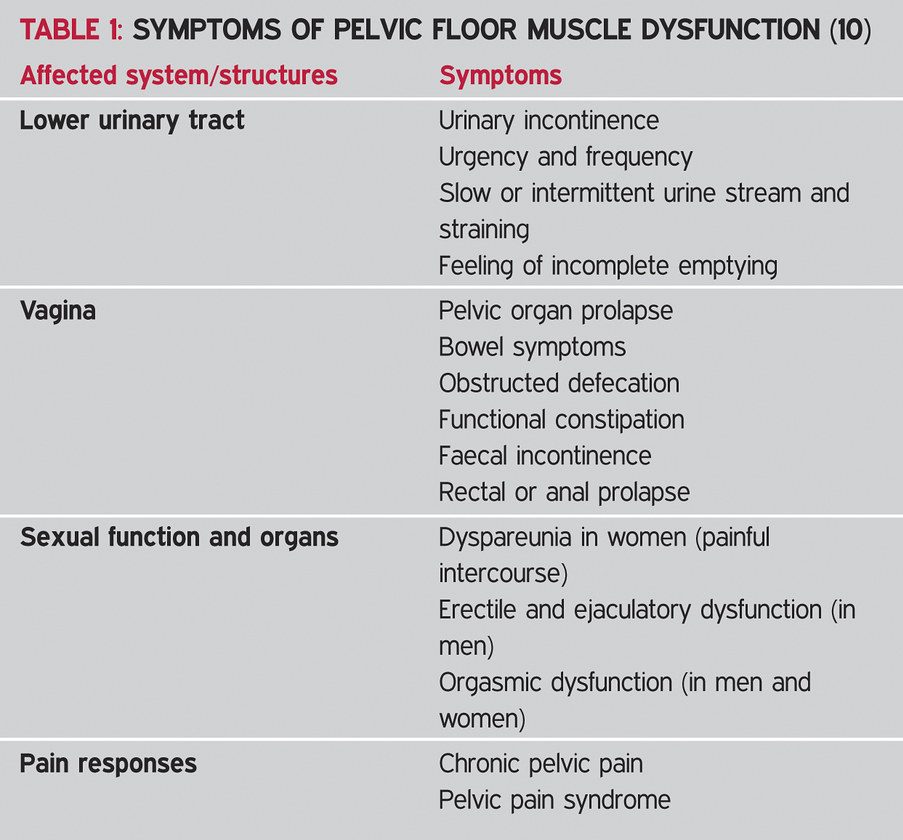
The pelvic floor muscles support the bladder, uterus, and bowel. Weakness in this area can lead to urinary incontinence, pelvic organ prolapse, and discomfort during intercourse.
Common Pelvic Floor Conditions
- Stress Incontinence – Leakage triggered by activities like coughing, sneezing, or exercising.
- Pelvic Organ Prolapse – The dropping of pelvic organs due to weak muscles.
- Pelvic Pain Syndrome – Chronic pain caused by tension, injury, or nerve issues in the pelvic region.
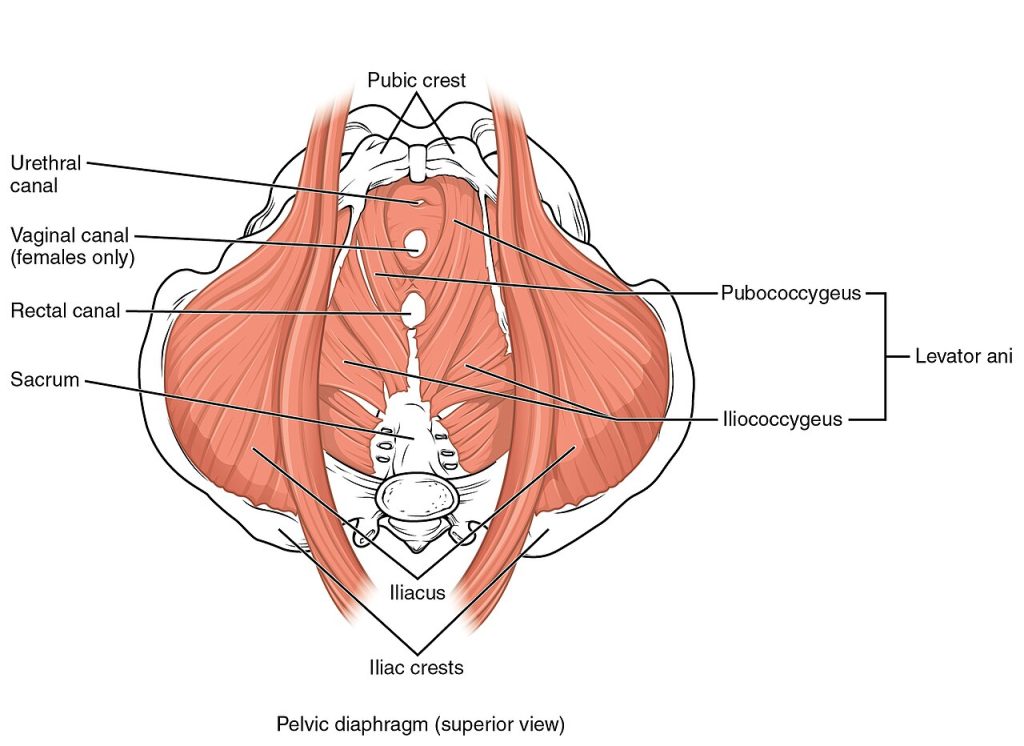
Physiotherapy for Pelvic Floor Strengthening
Physiotherapy plays a vital role in pelvic floor rehabilitation. Targeted exercises, manual therapy, and biofeedback training help improve muscle coordination and function.
Some effective therapies include:
- Kegel Exercises – Strengthen pelvic floor muscles to improve bladder control.
- Manual Therapy – Hands-on techniques to relieve pelvic muscle tension.
- Electrostimulation Therapy – Aids in muscle activation for those with significant weakness.
- Core Stability Workouts – Strengthen surrounding muscles to support pelvic health.
How Physiotherapy Enhances Women’s Health
A well-structured physiotherapy programme helps women at every stage of life, from pregnancy to menopause. Some of the most effective treatments include:
- Prenatal and Postnatal Massage – Relieves muscular tension and promotes relaxation.
- Postural Correction – Improves alignment to prevent long-term pain.
- Manual Therapy – Addresses joint stiffness and muscular imbalances.
- Exercise Therapy – Custom plans to strengthen core muscles and improve flexibility.
Supporting Women Through Every Life Stage
Women’s health requires ongoing care, whether it’s preparing for childbirth, recovering postpartum, or maintaining pelvic strength as they age. By incorporating physiotherapy into their wellness routine, women can reduce pain, improve mobility, and enhance overall quality of life.
At PhysioElm, we focuse on the diagnosis, treatment, and management of conditions related to women’s reproductive health and pelvic floor function. Our integrative approach considers the physical, emotional, and social factors that influence a woman’s well-being. Book an appointment today.